1. Confirm the property is released
If police were involved, cleanup starts after they release the space. The owner or family can check with the agency.
Marshalltown, IA · Marshall County
Business owners in Marshalltown who find syringes in a restroom or storeroom can call (877) 812-4220. A cleanup team can remove sharps and residue and clean the room before it reopens.
If anyone is in danger, call 911 first. For a suicide crisis, call or text 988.
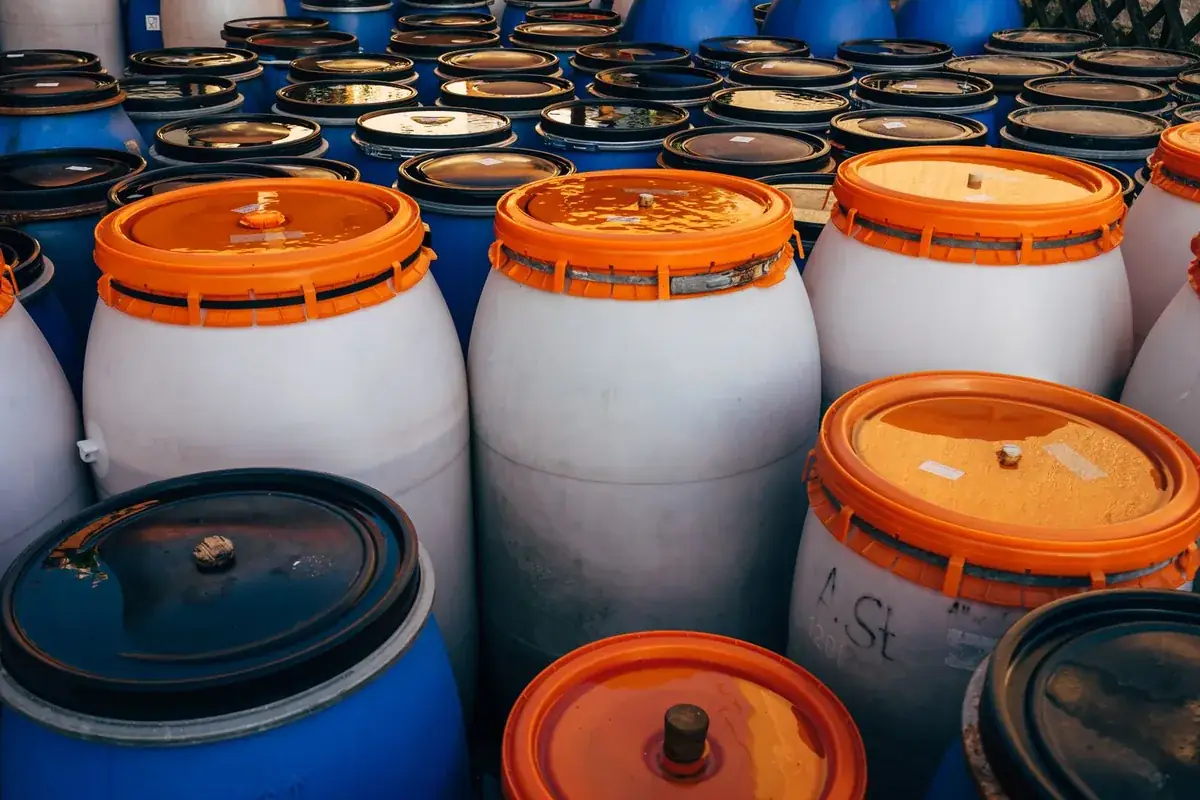
Paraphernalia removal is the first half of a drug use cleanup. Sharps go into puncture-resistant containers, other items are bagged and sealed, and everything is taken away as regulated waste.
If you are a landlord, property manager or family member in Marshalltown facing items left behind after drug use, call Marshalltown Biohazard Cleanup Help. The crew is discreet, explains each step and leaves your property clean and checked across Marshall County.
Housing in Marshalltown is about 8% vacant. An empty building and an occupied one both need a careful search for hidden items. Emergency care for people in Marshalltown is available at Unitypoint Health - Marshalltown in Marshalltown. Cleanup can wait until everyone is safe.
A typical drug paraphernalia cleanup job includes:
If police were involved, cleanup starts after they release the space. The owner or family can check with the agency.
Crews put on gloves, eye protection and respirators when needed, then search every room for sharps and other items.
Remaining paraphernalia is removed, and surfaces with residue are cleaned or taken out.
Waste leaves the property, and the owner can ask for a summary of what was removed and cleaned.
The cost of drug paraphernalia cleanup in Marshalltown, IA depends on the amount of material, how it is packed and how it is hauled.
Access and travel matter. A unit with stairs, locked areas or a long drive takes more time to serve.
| Type of job | Typical range |
|---|
Figures are planning ranges from , not a price for any specific Marshalltown property. Price drivers include amount of material, whether residue is present, surfaces affected, waste disposal. Call (877) 812-4220 any hour.
Often, yes. Many teams can arrive in an unmarked vehicle and work quietly. If privacy matters, ask about it when you call. The crew shares only what it needs to plan the work.
No. Drug paraphernalia cleanup removes used items and cleans surfaces. A site where drugs were made is a different job with its own testing and clearance steps. If you think drugs were made in the home, say so when you call.
It can be. Used syringes and other sharps can carry bloodborne germs, and residue can harm people who touch or swallow it. A cleanup team can look at what is there and explain how it should be handled. Do not touch it until then.
Vehicles can hold syringes, residue and odor in seats, carpets and vents. Ask whether the team cleans vehicles and how soft materials are treated. Crews use the same protective gear and sealed containers as in a building.
No. This page explains how drug paraphernalia cleanup works. It is not medical, legal or insurance advice. For symptoms, contact a doctor or Poison Control, and for legal questions, ask an attorney.
Crews wear protective gear, remove sharps and loose items, and then clean hard surfaces with EPA-registered disinfectants. Porous materials such as carpet, padding or upholstery that took in residue may be removed. The team can explain what applies to your space.
One call can start the cleanup of a room, a rental unit or a whole home.
Call (877) 812-4220